
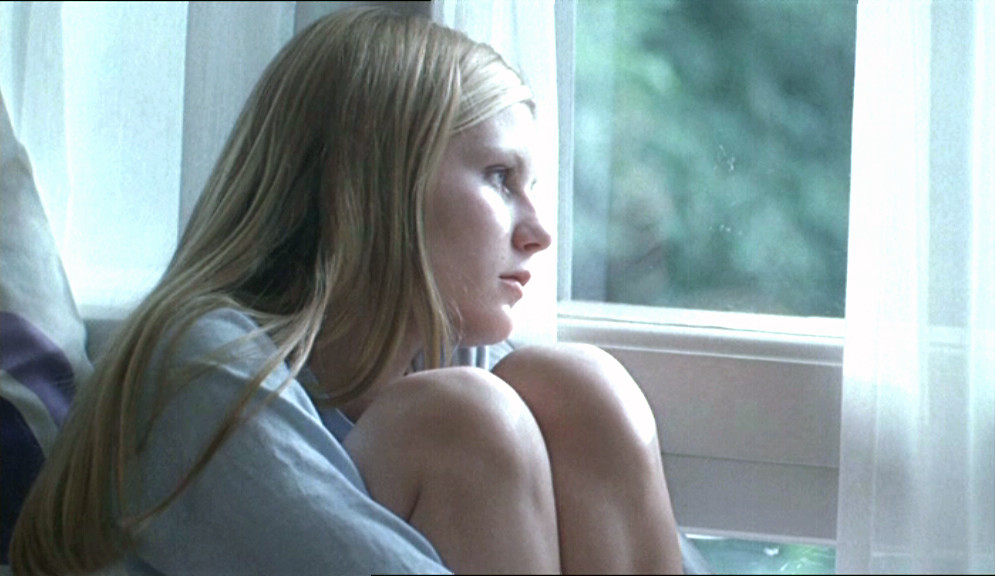
“Obviously, Doctor, you’ve never been a 13-year-old girl”. The line from Sofia Coppola’s debut movie, The Virgin Suicides (1999), still resonates more than twenty-five years later. Through this poignant sentence, the movie tells us that a girl’s teenagehood can indeed be the moment when she gets old enough to experience the deepest pain. By exploring the lives of the five Lisbon sisters, American director Sofia Coppola dives deep into what it is like to evolve as a young woman, whether it is in the 1970s or today.
In her cult classic adaptation of Jeffrey Eugenides’ debut novel Virgin Suicides (1993), Sofia Coppola tells the story of the Lisbon sisters, five teenage girls raised in an overprotective catholic family in the Grosse Pointe suburb in 1970s Michigan.
Based on this more or less fictional story, Coppola analyses how female injunctions shape teenage girls. The movie reflects the exhausting, frustrating, and, especially at the time of the story and in puritanical families, particularly desperate nature of the feminine performance expected of the five girls. Understanding both the place and attitude society expects of them, but also that they will never satisfy them, they commit suicide. Coppola shows how the teenagers in their neighbourhood, fascinated by them and the fact that they represent the ideal of femininity imposed on them, realise upon their death how much they loved them without knowing them. The story revolves around the investigation they conduct into the five sisters’ lives after their suicides, and depicts their discovery of how teenage girls were constructed, a process similar to alienation and training. The movie thus shows how much the characters the girls play prevent them from ever being themselves, and above all, prevent the others from ever knowing them.
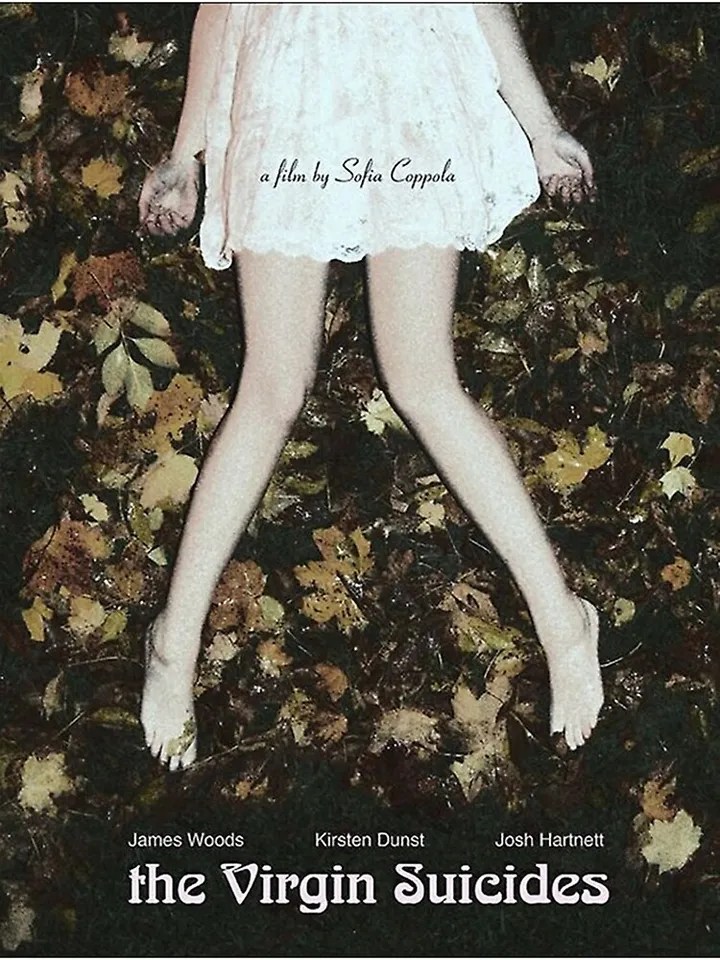
The suicide attempt of the youngest sister, Cecilia, at the beginning of the movie, initiates the reflection about the girls’ existence. Their lives are told through the male gaze and narration of the group of neighbourhood teenage boys still fascinated by their mystery and longing to discover them, years after their suicide.
Out of all five girls, Cecilia and Lux are often considered pivotal characters due to their particular and distinctive personalities. Cecilia’s suicide triggers the peaceful and picture-perfect aspect of the Lisbon family’s life. Lux, the most rebellious sister, tries to resist her strict parents throughout the movie by convincing them to go to homecoming and coming back past curfew after sleeping with Trip Fontaine, her boyfriend, on a football field. She is then held responsible for her and her sisters’, Therese, Mary and Bonnie, isolation, and is forced to burn all her rock CDs.
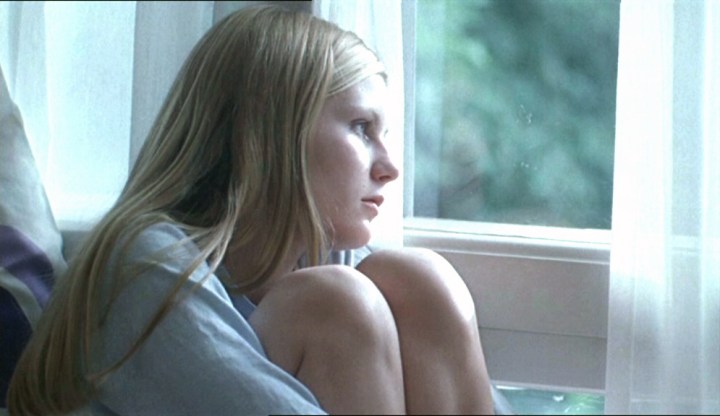
Particularly, the movie sheds light on the injunctions of womanhood in conservative and catholic families : being docile, discreet, pure. The symbolic first image of the movie shows Lux eating a lollipop, implicitly showing how girls are hypersexualised from a young age. The beauty products lined up in the Lisbon sisters’ bathroom represent the habits and physical appearance that society expects from them. On the other hand, signs and objects related to body changes and puberty, such as tampons, are shown as extremely taboo and shameful, needing to be hidden or covered up.
The Virgin Suicides also includes Sofia Coppola’s now well-known signature touch : the importance of image and sounds, which are always preferred to literal representation. The nostalgic and retro soundtrack by French band Air features euphoric and ethereal sounds aiming to express the feelings of adolescence in the 1970s suburbs. Instead of using 1970s hits and mainstream songs, Sofia Coppola chose to mirror the isolation and the cloistered, gruelling existence of the Lisbon sisters through custom-made tracks. The song Playground Love, with Phoenix lead singer Thomas Mars under pseudonym Gordon Tracks, who would become Coppola’s husband, has become a hymn of high school years and adolescence in the suburbs.

Later in her career, Sofia Coppola has often explored the complexity of female characters and girlhood in her curated and critically-acclaimed movies, such as Lost in translation (2003), Marie-Antoinette (2006), and Priscilla (2023), a biopic of Priscilla Presley’s life.
Valentina V.
Main photo source : https://www.flickr.com/photos/toymaster/1469687797
 ALETHEIA Vauban
